
Last updated November 15, 2026
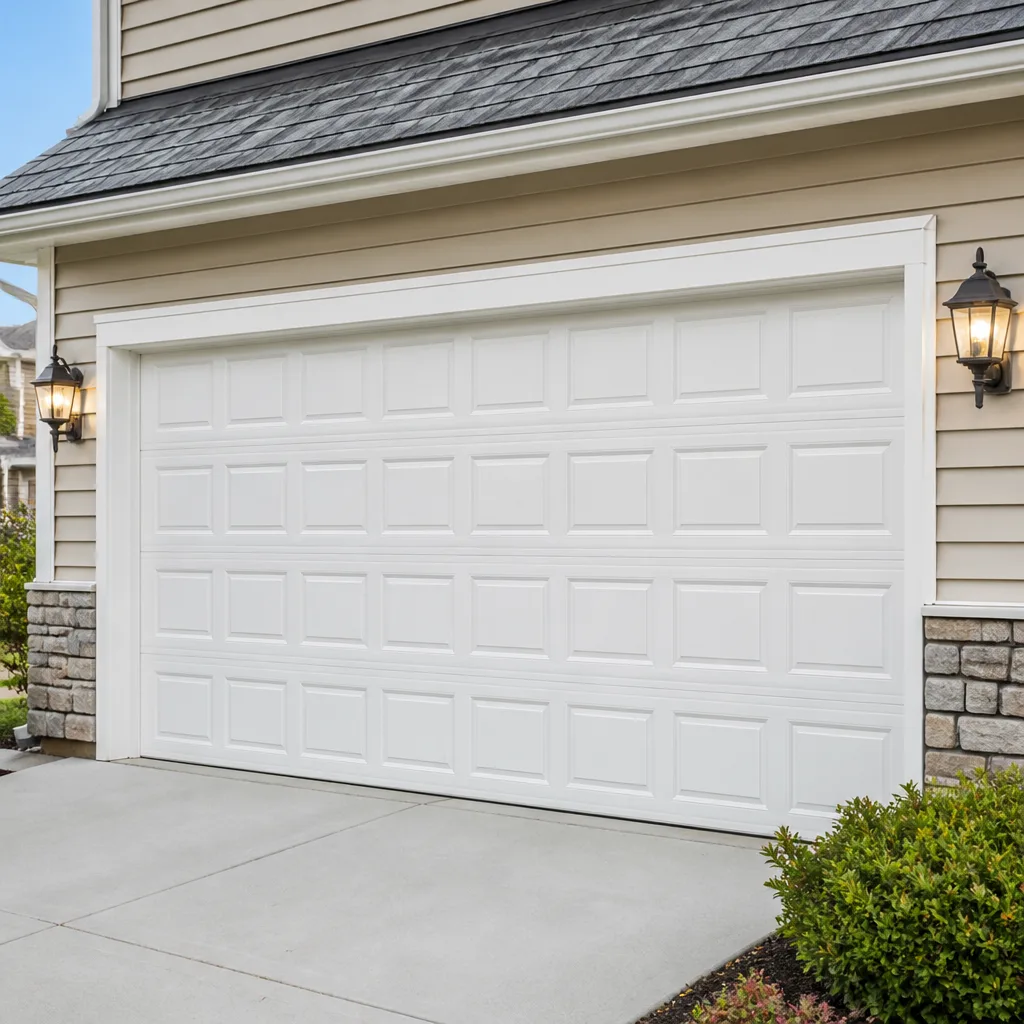 Raised-panel steel
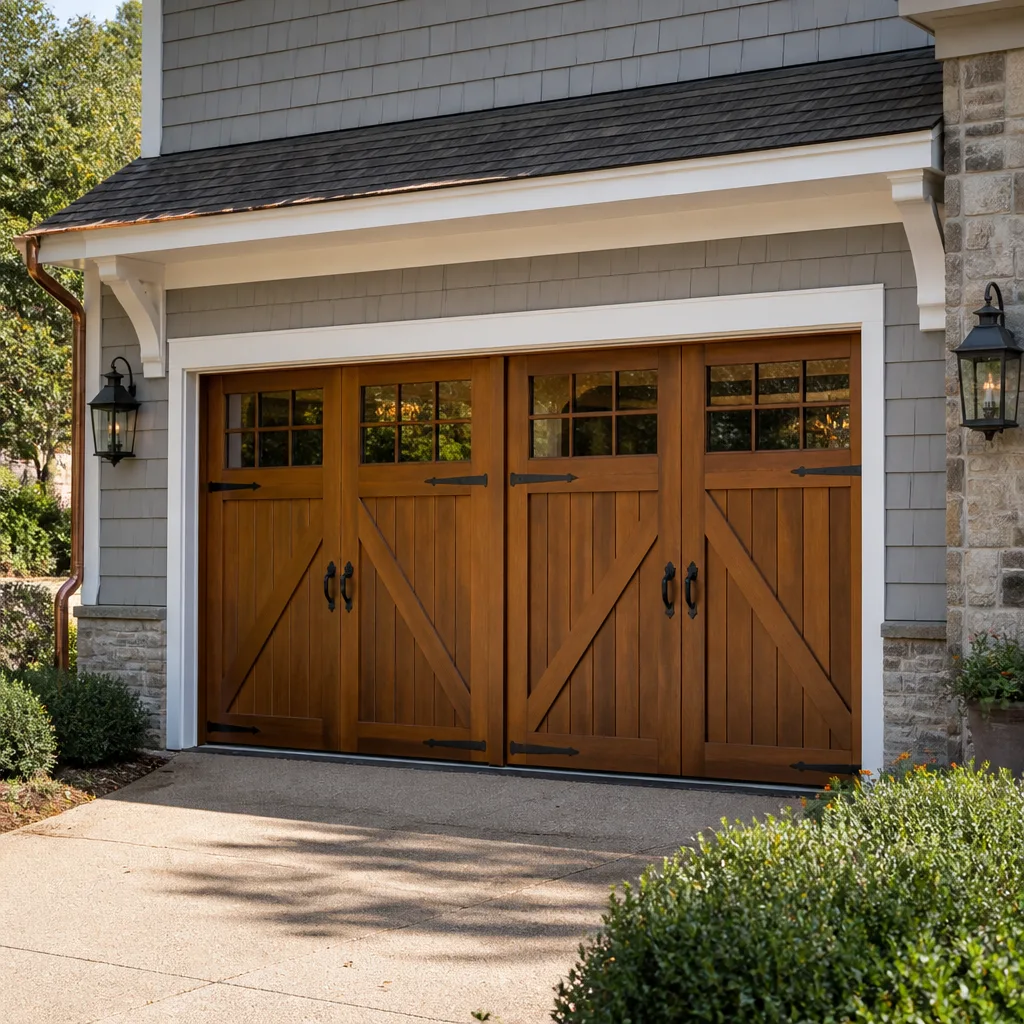 Carriage house
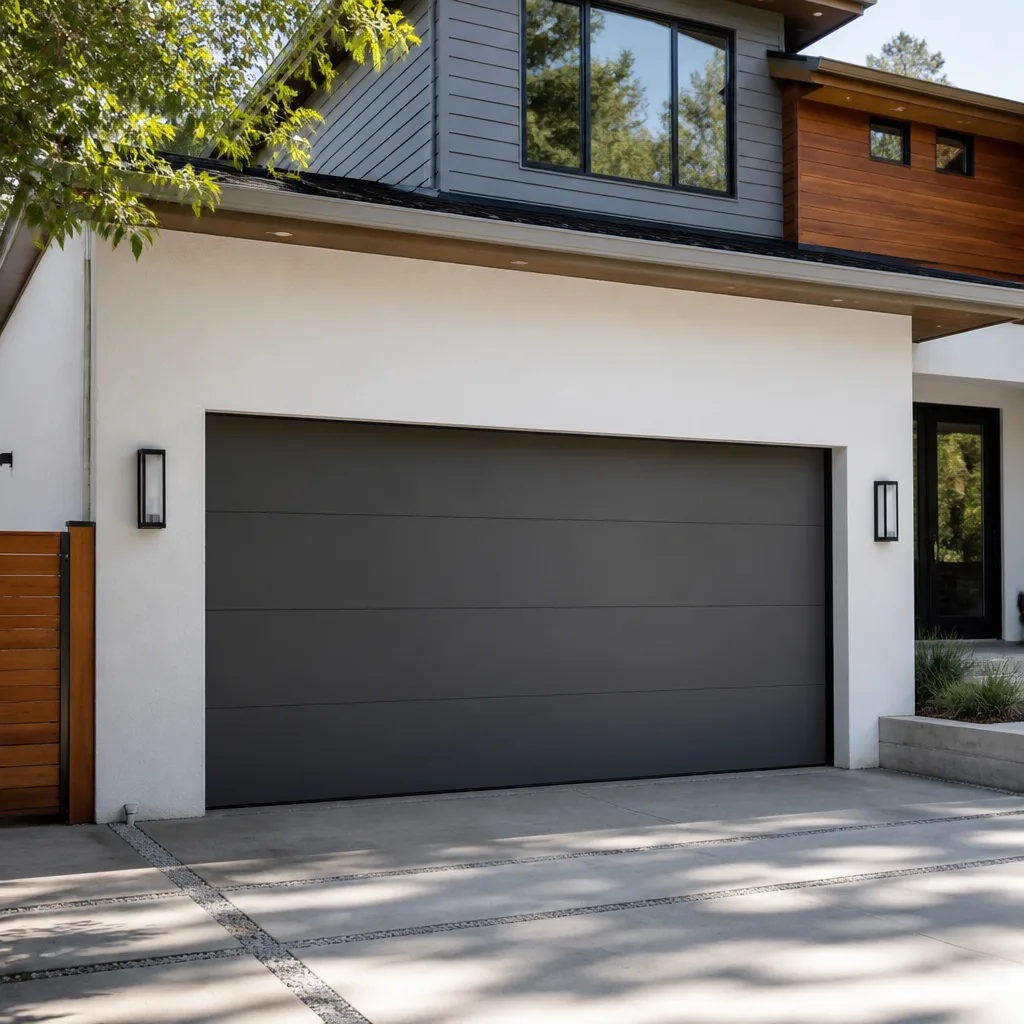 Modern flush
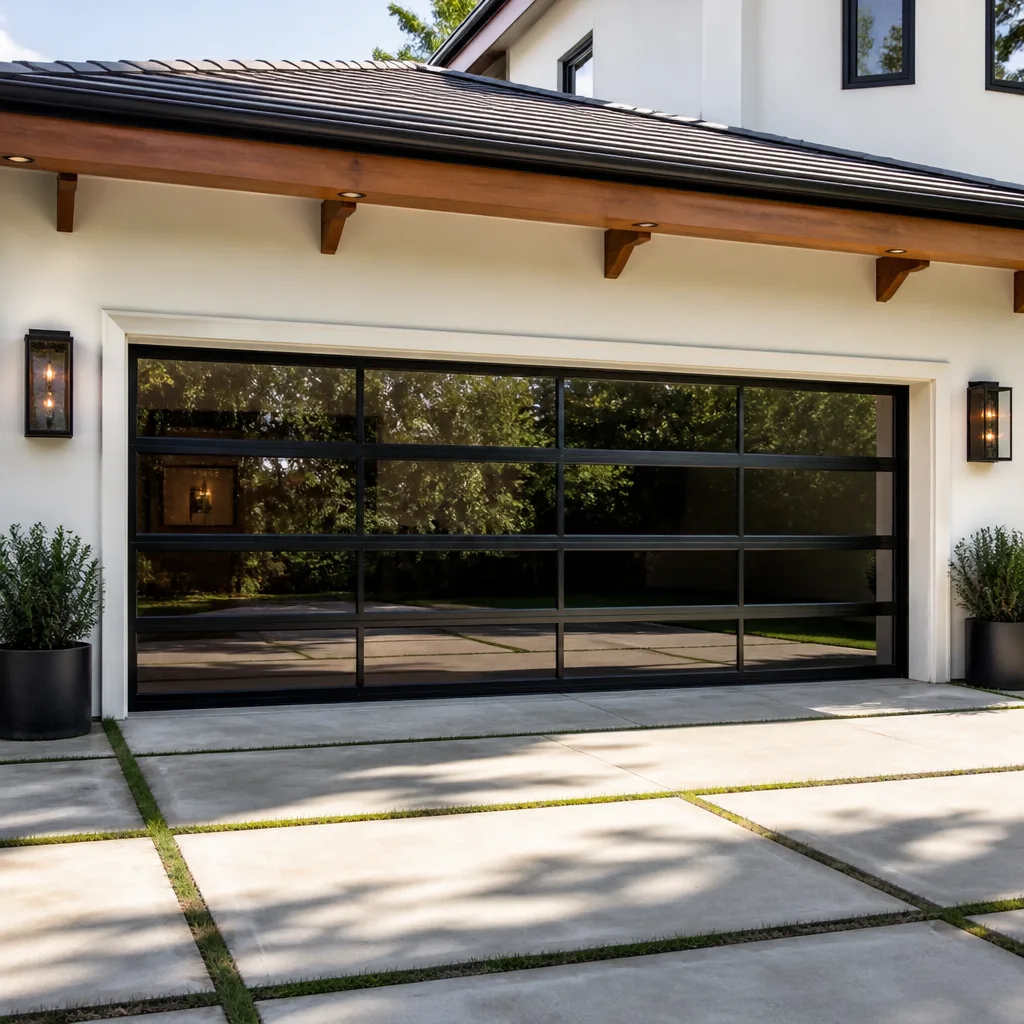 Full-view glass
 LiftMaster openers
 Chamberlain openers
Full 25-point door and opener safety check with every visit - springs, cables, rollers, tracks, and your LiftMaster or Chamberlain opener included
You get a price before we start. It does not change when the pro arrives.
Get your free estimateGarage Door Repair Maintenance Schedule: What to Do and When
Most garage door maintenance checklists you’ll find online were written for a climate that doesn’t exist here. Manufacturers print service intervals assuming mild, steady temperatures and average humidity. Modesto doesn’t run on averages. Summers settle above 100°F for weeks, the air carries valley dust through every open gap, and winter nights drop cold enough to stiffen grease that flowed freely in July. Those swings change which parts wear first and how fast. A schedule built for a temperate climate will leave you servicing the wrong components at the wrong time of year. What follows is a month-by-month maintenance calendar calibrated to Modesto conditions, with the inspection points, lubrication choices, and record-keeping that actually protect your door and your wallet.
Quick Answer
The best garage door maintenance schedule for Modesto runs on a seasonal rhythm rather than generic quarterly buckets: a full inspection and lubrication in early spring after winter contraction, a heat-stress check in late spring before the 100°F stretch, a dust-and-hardware pass in late summer, and a pre-winter tune-up in fall. Monthly, you spend five minutes on a visual and balance check. Annual professional service catches what a homeowner can’t safely reach. Done consistently, this schedule roughly halves the reactive repair work most doors end up needing.
Styles & brands we work with
- Raised-panel steel
- Carriage house
- Modern flush
- Full-view glass
- LiftMaster openers
- Chamberlain openers
Table of Contents
- Why Modesto’s Climate Rewrites the Manufacturer’s Schedule
- The Month-by-Month Maintenance Calendar
- Choosing Lubricants That Survive Central Valley Heat
- Which Components Fail First in Heat and Dust
- The Monthly Five-Minute Inspection You Can Do Safely
- Documenting Maintenance for Resale and Warranty
- The Five-Year Cost Case for Preventive Maintenance
- Common Mistakes to Avoid
Why Modesto’s Climate Rewrites the Manufacturer’s Schedule
A torsion spring is a coil of steel under constant tension. Every open and close cycle flexes it, and heat accelerates the metal fatigue that eventually snaps it. When your garage interior bakes through a Modesto summer, that steel sits at a higher resting temperature than the spring engineer assumed when they printed a cycle-life estimate. The cycles don’t change. The rate at which the metal tires does.
Dust is the second variable. Valley dust doesn’t just look bad on a door panel. It works its way into roller bearings, hinge pivots, and the track channel, where it mixes with lubricant to form a grinding paste. That paste wears rollers flat and scores tracks faster than clean metal-on-metal contact ever would. A door in Modesto accumulates this grit at a rate a coastal or mountain-home schedule never accounts for.
Winter adds a third stress. Cold nights stiffen grease and shrink seals. A door that ran smoothly in October can bind in January because the lubricant thickened and the weatherstripping hardened. That binding puts extra load on the opener, which is where a lot of mid-winter opener failures begin.
The practical result: manufacturer intervals based on a national average run too loose for Modesto’s summers and mistimed for its winters. Our technicians have up to 10 years of experience working on doors across this valley, and the pattern is consistent. Doors that get spring and pre-summer attention last noticeably longer between major repairs than doors serviced on a generic yearly schedule. That’s the entire premise of the calendar below.
The Month-by-Month Maintenance Calendar
This calendar replaces the generic quarterly bucket. Each block targets what the season actually does to your door in Modesto.
January through February: Cold-Weather Check
Winter nights stiffen lubricant and shrink weather seals. This is when binding shows up. Walk the door through a full open and close and listen for groaning or uneven travel. Check the bottom weather seal for cracks and the hinges for looseness. If the door shudders on the way up, the cold has thickened your grease and it needs a lighter lubricant, not more of the same. Confirm the safety reverse still works by placing a roll of paper towels in the door’s path.
March: Post-Winter Full Service
This is the anchor service of the year. After winter contraction, fasteners have loosened and lubricant has degraded. A full inspection covers springs, cables, rollers, hinges, track alignment, and the opener’s force and travel settings. This is also the right time to book professional service, because a technician can check spring tension and cable condition that you should never inspect by hand. For thorough garage door repair and adjustment, spring is the season that catches problems before summer stress arrives.
April through May: Pre-Summer Heat Prep
Before the 100°F weeks settle in, switch to a high-temperature lubricant on rollers, hinges, and the spring. Inspect the door panels for any warping or separation, since heat expands metal and composite panels unevenly. Check that the opener’s motor housing has clear ventilation and isn’t boxed in by stored items. A door that binds in May will strain the opener all summer, so resolve any binding now, not in August.
June through August: Heat-Stress Monitoring
This is when springs are most likely to fail. Do a quick visual each month: look for a gap in the torsion spring coil above the door, listen for a loud bang you didn’t cause, and confirm the door still opens under its own power. Keep the track clear of dust with a dry cloth. If your opener is a smart unit from LiftMaster or Chamberlain, check the app for any force-limit warnings, which often signal a door that’s starting to drag. Summer dust means monthly attention to rollers and hinges, not just yearly.
September: Dust and Hardware Pass
After a full summer of valley dust, the track channel and roller bearings need cleaning. Wipe the track with a dry cloth, clear grit from hinges, and re-lubricate lightly. Tighten any hinge or bracket fasteners that have worked loose from months of heat cycling. Inspect the bottom seal again for heat cracking.
October through November: Pre-Winter Tune-Up
This is the second anchor of the year. Replace any worn weatherstripping before the cold nights arrive. Switch back to a lubricant that stays flexible at lower temperatures. Have the balance tested: a door that’s properly balanced will hold halfway open by itself. This is also a smart time to book a professional tune-up so you enter winter with fresh lubrication and correct spring tension.
December: Year-End Record Update
Log everything you did through the year. Note the date, the components serviced, the lubricant used, and any parts replaced. That log becomes your service history, which matters at resale and for warranty claims. Then repeat the calendar from January.
Choosing Lubricants That Survive Central Valley Heat
Lubricant choice is where most Modesto homeowners get it wrong, and it’s not their fault. The spray can that works fine in a mild climate can gum up or evaporate in a valley summer. Here’s how the common options actually behave here.
- White lithium grease: Flows well when cool but thins and can drip in high heat, leaving rollers dry by August. Fine for hinges in winter, poor for summer rollers.
- Silicone spray: Stays clean and doesn’t attract dust, which is a real advantage in a dusty valley. But it doesn’t last long under heavy friction and needs frequent reapplication.
- Heavy automotive grease: Holds up to heat but grabs and holds dust, which turns it into the grinding paste that wears rollers and tracks. Avoid it on exposed moving parts.
- Purpose-made garage door lubricant: Formulated to resist both heat thinning and cold stiffening. This is the balanced choice for a climate with real temperature swings.
The rule of thumb: use a garage-door-specific lubricant on rollers, hinges, and the torsion spring, and reapply more often in summer than the can suggests. Never lubricate the track itself, since grease in the track collects grit and slows the door. If you’re unsure what’s currently on your door, have a technician identify it, because mixing incompatible lubricants can create a sticky mess. Our Frontline Garage Door Service team handles opener and door lubrication as part of standard service, and we can tell you exactly what your system needs.
Which Components Fail First in Heat and Dust
We work on the major brands every day, from Wayne Dalton doors to Raynor hardware, and the failure order in Modesto is predictable. Knowing it lets you inspect the right parts first.
- Torsion spring: The single most heat-sensitive component. Constant tension plus summer heat equals faster fatigue. Inspect visually for a coil gap; never touch or adjust it yourself.
- Rollers: Dust-packed bearings wear flat, and flat rollers make the door jump and strain the opener. Spin each roller by hand; it should turn smoothly.
- Cables: Heat and tension stretch and fray cables over time. Look for fraying or slack at the drum; call a professional if you see either. A snapped cable is genuinely dangerous.
- Hinges and fasteners: Heat cycling loosens them and dust accelerates wear at the pivot. A loose hinge makes the door rattle and travel unevenly.
- Opener drive and force settings: A dragging door forces the opener motor to work harder, and dusty, hot conditions accelerate gear wear. Force-limit warnings on a smart opener are an early signal.
You can inspect all five safely from the floor with your eyes and hands, avoiding the spring and cables entirely. Anything that requires touching a spring, cable, or the torsion bar is a job for a trained technician, not a homeowner.
The Monthly Five-Minute Inspection You Can Do Safely
This is the routine we recommend to every Modesto homeowner. It takes five minutes and catches the majority of developing problems before they become breakdowns.
- Balance test. Disconnect the opener, lift the door to about halfway, and let go. A healthy door holds position. One that drifts down or slams up is out of balance and needs professional attention.
- Visual spring and cable check. Look for a gap in the torsion spring or fraying on the cables. Don’t touch either. Just note anything unusual.
- Roller spin. Spin each roller by hand and listen for grinding or wobble.
- Track check. Look for dents, misalignment, or debris in the track channel. Clear dust with a dry cloth.
- Safety reverse test. Place a roll of paper towels in the door’s path and close it. The door should reverse on contact.
If any of these checks fails, note it and call. And a clear safety note: never attempt to adjust, remove, or tension a torsion spring or cable yourself. Those components store enormous energy and can cause severe injury. This is the one area where the DIY instinct should stop dead. For anything beyond visual inspection, get a trained professional. That’s not a sales line; it’s the reason spring and cable work is the core of what we do.
Documenting Maintenance for Resale and Warranty
A service history is worth real money and real protection, but only if you keep one. Here’s what to record and why it matters.
- Date and task: Log every service, whether you did it or a professional did. Note the component and what was done.
- Parts and lubricant used: Record the brand names and product types, since warranty claims often ask what was applied and when.
- Professional invoices: Keep receipts for any technician service. These are the strongest proof in a warranty dispute.
- Photos: A dated photo of the door and hardware at each annual service builds a clear visual record.
At resale, a documented maintenance history signals a well-cared-for home and can support your asking position. For warranty purposes, many manufacturers expect proof that the door was serviced at recommended intervals, and a log settles that question immediately. Our team can provide a written service record after any visit, so your history stays complete. When your opener is a Craftsman or LiftMaster model with a connected app, the app log can supplement your written records, but keep your own log too, since app data doesn’t transfer cleanly when you sell. A simple notebook or spreadsheet is enough.
The Five-Year Cost Case for Preventive Maintenance
Preventive maintenance costs a fraction of reactive repair, and the gap widens the longer you stay disciplined. Here’s the logic, laid out plainly.
Reactive repair means you only fix things when they break, and breakdowns cluster around the worst moments. A spring that snaps in a Modesto July is an urgent call, and it’s often followed closely by the cascade of related problems a dragging door caused before you noticed. Preventive maintenance reverses that. Regular lubrication and adjustment keep rollers, hinges, and springs in condition, so you’re replacing one worn part instead of chasing a chain of failures.
The five-year view works like this: a dedicated maintenance schedule front-loads small, routine costs and pushes back the big ones. You spend a modest amount on lubrication, adjustment, and occasional professional tune-ups, and you avoid the compounding damage that heat and dust do to an ignored door. Springs last longer, rollers don’t grind flat, and the opener isn’t strained by a binding door. The result over five years is fewer emergency calls, longer part life, and a door that still opens smoothly when a neglected one is on its second or third spring.
There’s a hidden cost too: the strain an out-of-balance door puts on the opener. That strain is invisible until the opener fails, and openers are among the pricier components to replace. Keeping the door balanced protects the opener, which is why we treat balance checks as the foundation of the whole schedule. If your opener is already showing strain, our garage door opener repair service can diagnose whether the door or the opener is the root cause.
Common Mistakes to Avoid
- Following a national schedule in a valley climate. Generic quarterly intervals miss Modesto’s summer heat peak and winter binding window. Calibrate to the seasons here, not to the can’s label.
- Greasing the track. Lubricant in the track collects valley dust and turns into grinding paste. Keep the track clean and dry, and lubricate only the moving parts.
- Using heavy automotive grease on exposed parts. It holds dust and accelerates roller wear. Use a garage-door-specific lubricant instead.
- Skipping the pre-summer spring check. Spring failure is most likely during the hottest weeks. Inspect visually in late spring, and let a technician handle anything that needs touching.
- Touching a torsion spring or cable. These store dangerous energy and cause serious injury when handled wrong. This is a hard stop for DIY repair.
- Ignoring opener force warnings. A smart opener flagging increased force is telling you the door is dragging. Fix the door, not just the alert.
- Never documenting service. Without a record, you lose warranty leverage and resale value. Log every task starting today.
See the difference
 Before
 After
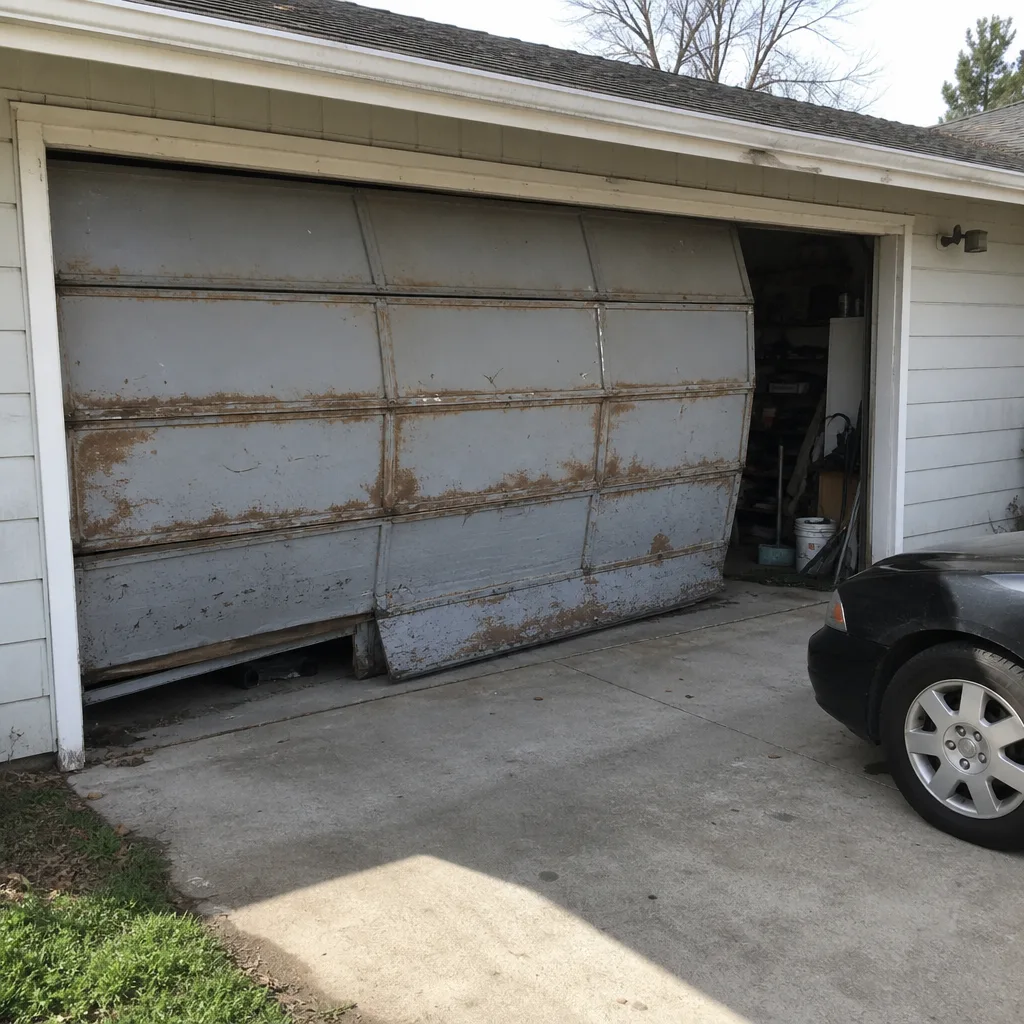 Before
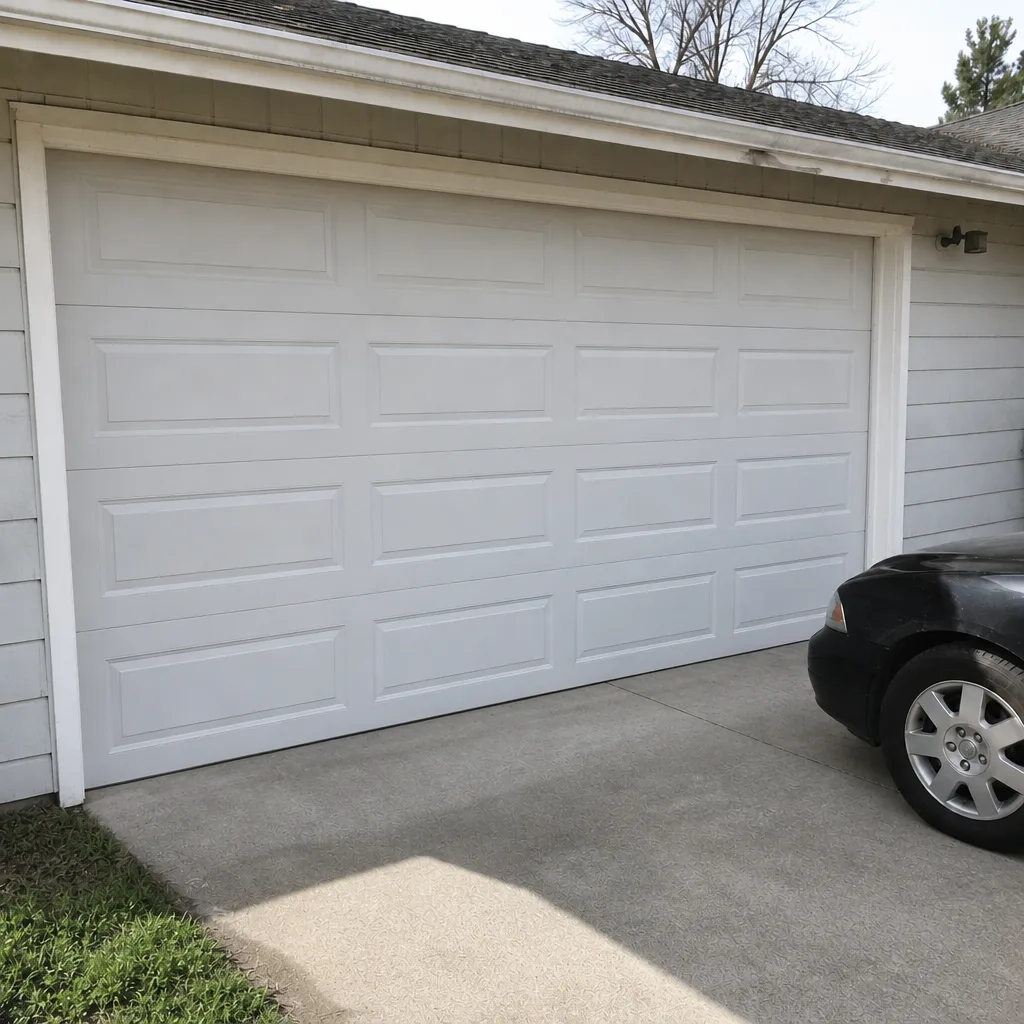 After
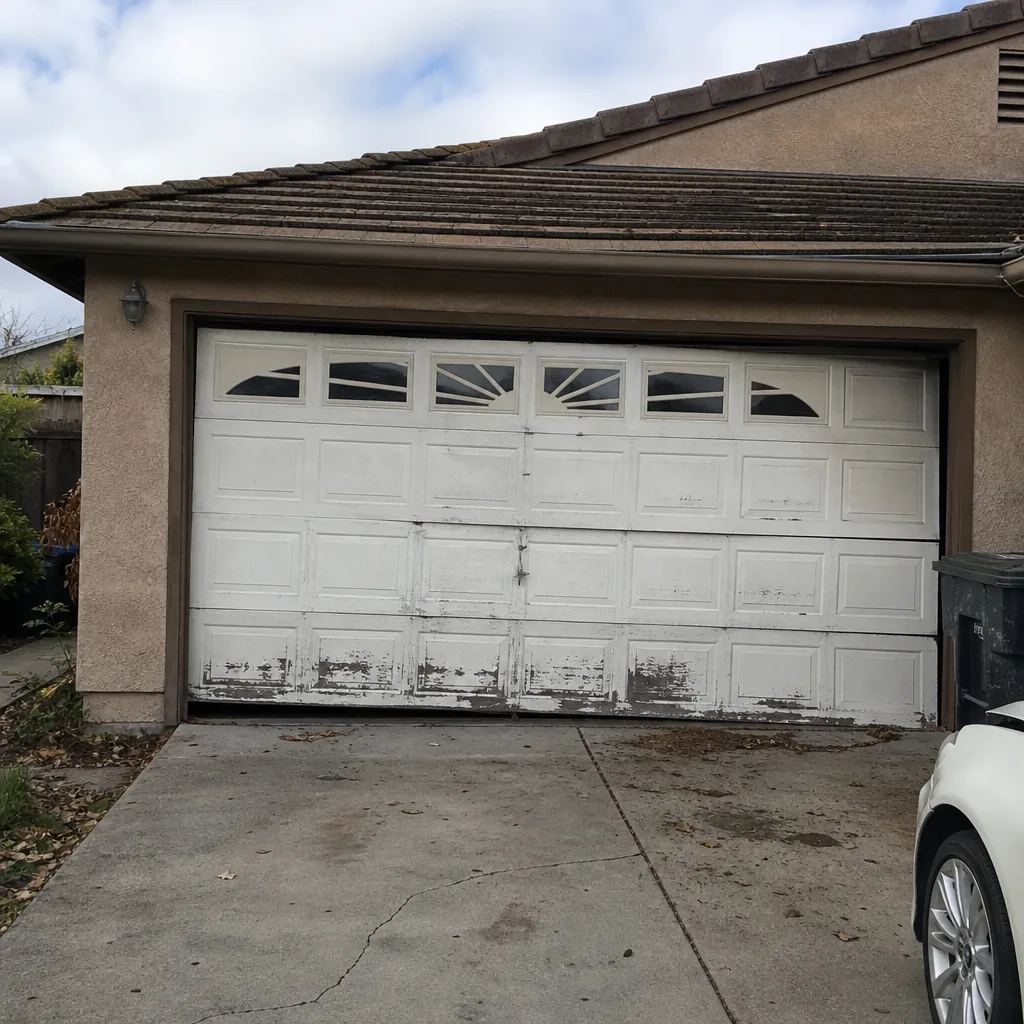 Before
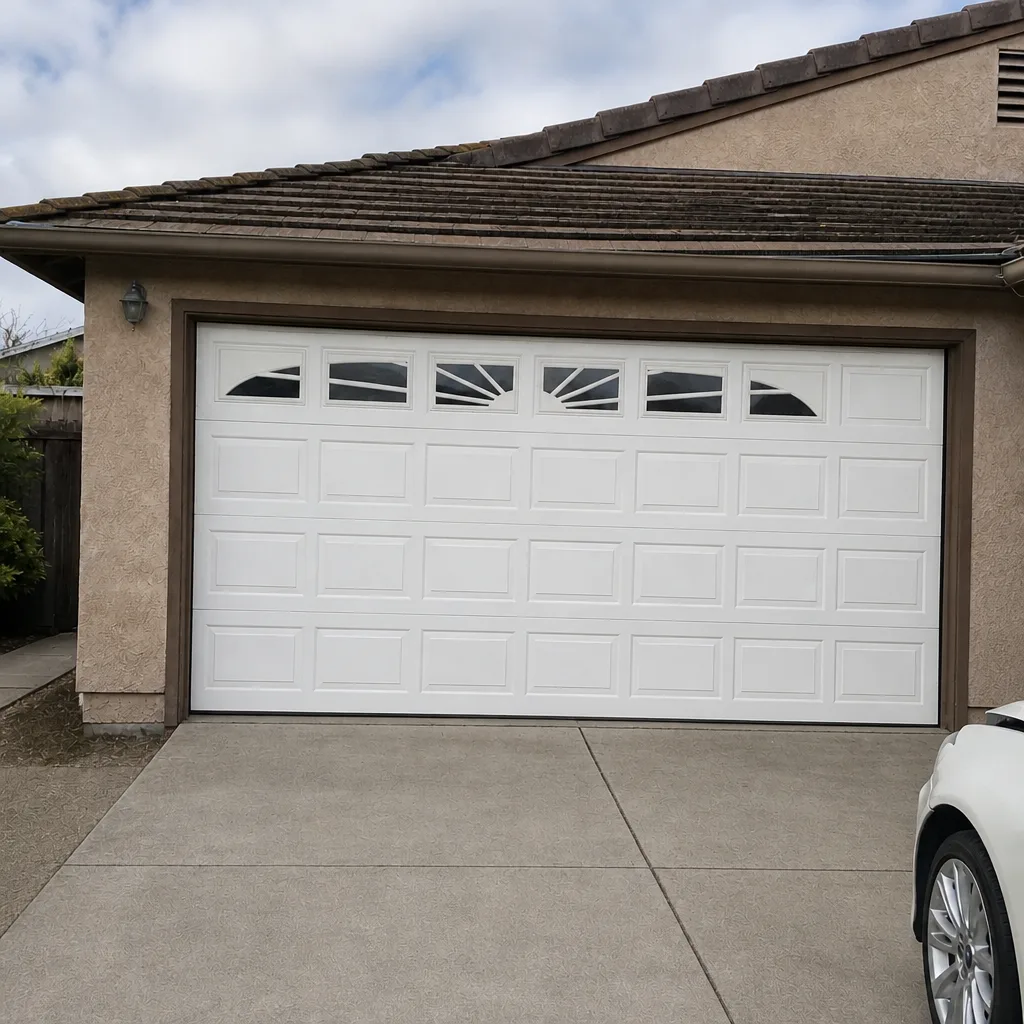 After
When to Call a Professional
Some maintenance you can do safely; some you absolutely shouldn’t. Call a professional when the door is out of balance, when you see a gap in the torsion spring or fraying on a cable, when a roller is grinding, or when the opener is straining or throwing force warnings. Also call if the door binds in cold weather after a lubricant change, if the track is bent, or if the door reverses inconsistently. And call before you consider any spring or cable adjustment yourself, because that’s the work that causes the most homeowner injuries. A professional service on the calendar we’ve laid out here catches most of these before they happen. Frontline Garage Door Service offers free estimates in Modesto, and our team works on every major brand, so we can service whatever door or opener you have. Call (855) 473-8505 for a free estimate. We answer 24/7. Fast dispatch from 7am to 7pm, Sunday through Friday.
Frequently Asked Questions
A garage door in Modesto should get professional service twice a year, with the key visits in early spring after winter and in fall before the cold nights, plus a quick monthly visual and balance check you do yourself. The local heat and dust mean the standard once-a-year national interval isn’t enough. Call (855) 473-8505 for a free estimate.
Torsion springs fail faster here because the summer heat accelerates metal fatigue on the constant-tension coil, and dusty air adds grit to the moving parts. The cycles don’t change, but the heat can shorten spring life compared with a mild climate. If you see a gap in the spring coil, call a professional and don’t touch it yourself. Estimates are free at (855) 473-8505.
Use a purpose-made garage door lubricant that resists both heat thinning and cold stiffening, applied to rollers, hinges, and the torsion spring, and never to the track. Heavy automotive grease holds dust and wears parts faster, while silicone needs frequent reapplication. When in doubt, ask a technician to check what’s on your door. Call (855) 473-8505 for guidance.
You can visually inspect springs and cables from the floor, looking for a gap in the coil or fraying on the cable, but you should never touch, adjust, or tension them. Those parts store dangerous energy and cause serious injury when handled incorrectly. Leave spring and cable work to a trained technician. Call (855) 473-8505 to schedule safe service.
Yes. A documented maintenance history shows buyers the door was cared for and can support your asking position, and it strengthens any warranty claim. Keep a log of dates, tasks, parts, and photos of the hardware. Our team provides a written service record after each visit. Call (855) 473-8505 to start the log today.
A consistent schedule over five years usually costs far less than reactive repair, because routine lubrication and adjustment extend the life of springs, rollers, and the opener. Preventive care prevents the cascade of related failures that heat and dust cause on a neglected door. The earlier you start, the more you protect. Call (855) 473-8505 for a free estimate.
The Bottom Line
The right maintenance schedule for a garage door in Modesto isn’t the generic quarterly checklist on the manufacturer’s website. It’s a seasonal calendar calibrated to valley heat, dust, and cold nights, anchored by spring and fall professional service and supported by a five-minute monthly check. Switch to a heat-rated lubricant by late spring, keep the track dry, never touch a spring or cable, and log everything you do. That combination extends part life, protects the opener, and saves real money over five years. Whether your door is a Wayne Dalton, a Raynor, or a LiftMaster-powered system, the schedule is the same. Garage doors are all we do, so when you need a Frontline-ready technician, call (855) 473-8505 for a free estimate. We answer 24/7. Fast dispatch from 7am to 7pm, Sunday through Friday. Visit our Modesto page for more on how we serve this area.
Written by the team at Frontline Garage Door Service.